SAML web application toolkit: Single sign-on to a ...
TL;DR
- This article cover the essential building blocks for saml integration in modern web apps and how to handle tricky identity provider setups. It includes practical steps for configuring service providers and using automated tools to verify your security posture. You'll learn about common pitfalls in xml signatures and how to streamline your auth flows without losing your mind.
Essentials of the saml web application toolkit
Ever tried explaining to a ceo why we still use xml in 2024? It's usually a fun conversation, but honestly, SAML is the backbone of enterprise security for a reason.
While everyone loves talking about oauth and oidc, big companies in healthcare and finance still rely on saml. (What is SAML vs OAuth? Key Differences and Comparisons - Fortinet) It handles "heavy" identity data across different domains better than most lighter protocols.
- b2b trust: In industries like retail, big vendors need a standard way to let thousands of employees into partner portals without managing new passwords.
- Protocol longevity: According to Thales Group, saml remains a dominant standard because it decouples the authentication from the platform, which is huge for legacy systems. (What is SAML Authentication And Does It Work)
- Deep attributes: You can pack way more user metadata into a saml assertion than a standard token.
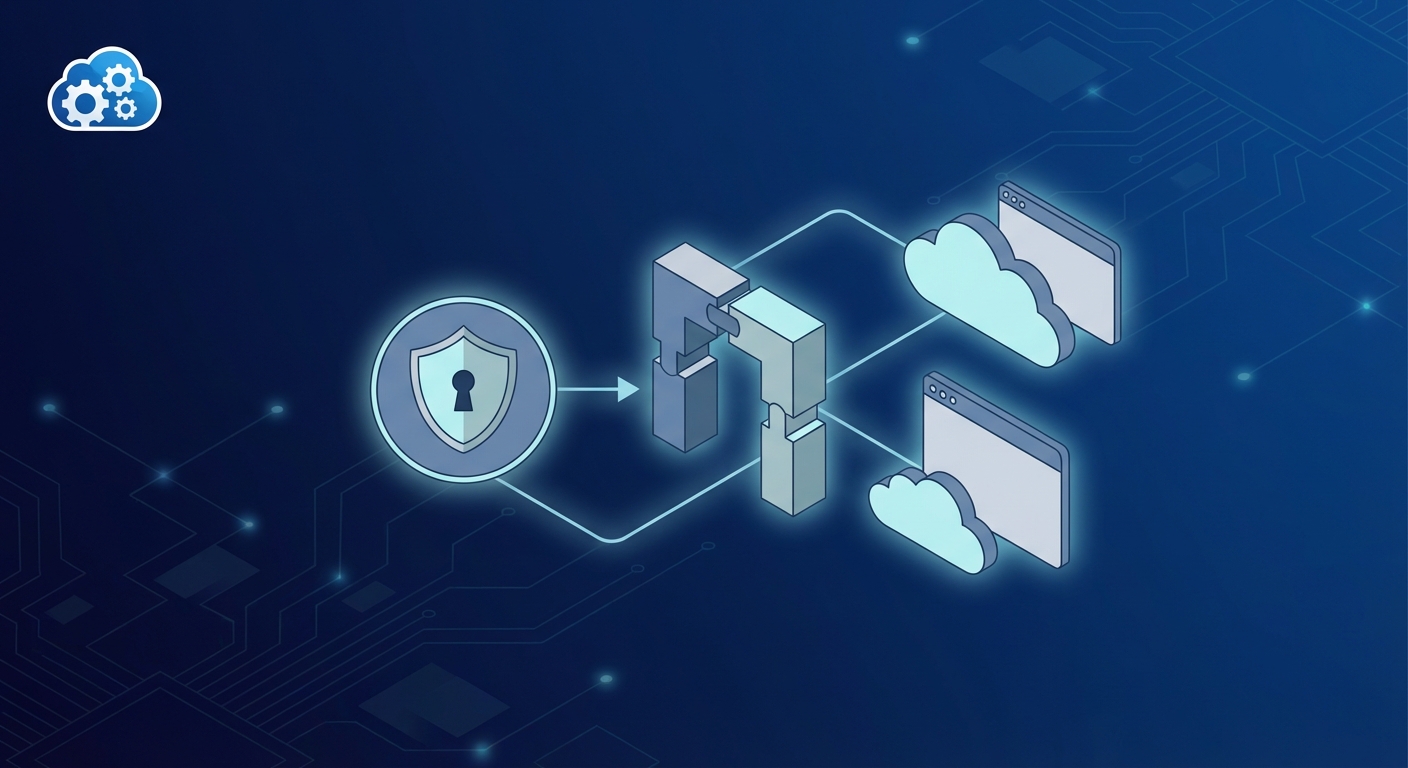
A good toolkit needs to handle the "SAML dance" between the Service Provider (sp) and the Identity Provider (idp). If the images below don't load, here is the basic flow: First, the User tries to access the sp. The sp sends an AuthNRequest to the idp. The idp authenticates the user and sends a SAML Response back to the sp. Finally, the sp validates the response and lets the user in.

Most toolkits fail because they don't handle xml signing or encryption right. It's a common trap—you might sign the Response (the whole envelope) but forget to sign the Assertion (the actual letter inside). Or vice versa. You gotta make sure your toolkit is configured to expect exactly what the idp is sending, otherwise the signature check fails even if the password was right.
Technical Checklist for your SP
Before you move on, make sure your toolkit has these parameters defined:
- EntityID: The unique name for your app (usually a URL).
- Assertion Consumer Service (ACS) URL: Where the idp posts the login data back to you.
- Single Logout URL: For when people actually remember to sign out.
- NameID Format: Usually
urn:oasis:names:tc:SAML:1.1:nameid-format:emailAddress. - Bindings: Decide if you're using
HTTP-POST(common for assertions) orHTTP-Redirect.
Next, we'll look at setting up your first sp configuration.
Configuring your first sso connection
Setting up your first connection feels like a high-stakes game of "telephone" between two servers. If one side mumbles, the whole thing falls apart.
First thing you gotta do is swap metadata files. This xml file tells the idp where to send the user after they login and what public key to use for checking signatures. Most people mess this up by copy-pasting raw text into a notepad and accidentally adding a hidden character.
- Metadata Automation: Using a metadata URL or file is the gold standard because it handles both the SSO-URL and the EntityID at once. If your idp doesn't provide one, you have to enter them manually. Be warned: the EntityID is a case-sensitive string. If the idp expects
MyApp_SPand you typemyapp_sp, it won't work. - Exporting sp metadata: Your app needs to provide its own file. According to Duo Security (Cisco), getting these entityIDs to match exactly is the biggest hurdle for beginners.
- Cert management: Don't be the person who lets a certificate expire on a Friday night. Set a calendar alert for 30 days before it dies.

Once the handshake works, you need to actually get user data. This is where you map "EmailAddress" from the idp to "user_email" in your database.
A report by Verizon in 2023 highlighted that misconfigurations are a leading cause of breaches, so keep your attribute mapping tight.
If you're using jit (Just-in-Time) provisioning, your toolkit creates the user account the first time they login. But remember, jit only works if the idp sends the right "claims." You need to agree on a set of attributes—usually firstName, lastName, and email—or the account creation will just error out with a missing field.
Next we're gonna look at how to actually test this mess without breaking production.
Testing and validating your identity provider
So you've hooked up the pipes, but does the water actually flow without leaking? Testing SAML is usually where I lose my mind because what looks like a valid xml blob is often a mess of broken signatures or wrong timestamps.
I usually grab a tool like SAMLTool.com which is a lifesaver for manually decrypting assertions or checking if your private key actually matches the cert you uploaded. It helps you validate the xml structure instantly so you aren't just guessing why the idp is throwing a 400 error.
- Assertion inspection: Use a browser extension to grab the base64 encoded response. If the "NotOnOrAfter" condition is set to five minutes ago because your server clock is drifting, nobody is getting in.
- Automated Validation: Modern libraries like
Passport-SAMLorOneLoginhave built-in linters that scan your config for "rookie" mistakes, like leaving sign-in urls on insecure http endpoints. They can catch if your metadata is missing a required binding before you even hit "save." - Security Check: As mentioned earlier, misconfigurations are a nightmare. Run a mock login and check if your toolkit is actually verifying the
Destinationattribute—if it isn't, you're open to bypass attacks.

Honestly, just keep a test user in a separate "dev" group in your idp. It’s better to find out your mapping is broken there than to lock out the whole finance team on a Monday morning. Next, we're gonna wrap this up with some final security hardening tips.
Security best practices and ai trends
Look, you can have the best toolkit in the world but if you leave the door unlocked, someone’s gonna walk in. Security in saml isn't just about making the xml look pretty; it's about making sure nobody can mess with the data while its moving.
The biggest headache is usually XML Signature Wrapping. This is where an attacker stuffs a fake assertion into the message while keeping the old signature valid. To stop this, you must choose a toolkit that supports a "strict" mode. This mode ensures the signature is tied to the specific ID of the assertion and won't accept extra, unsigned elements.
Also, always enforce replay protection. If your app accepts the same assertion twice, a hacker could just sniff the traffic and login as your ceo. Your toolkit should automatically handle OneTimeUse conditions or use a unique nonce to make sure an assertion can't be reused.

We're seeing a shift where ai doesn't just watch the door; it watches how you walk through it. Modern tools are getting good at spotting anomalous logins—like if a dev in London suddenly logs in from a vpn in Singapore at 3 AM.
A 2024 report by IBM found that organizations using ai and automation for security saved nearly $1.76 million compared to those that didn't.
And honestly, the future is moving toward passwordless flows where saml just acts as the secure pipe for biometric data. It’s less about remembering your dog's name and more about hardware keys and ai-driven risk scores. Just keep your endpoints on https and you're already ahead of half the internet.