Demystifying SSO Architecture Patterns A Practical Guide
TL;DR
- This article explores various SSO architecture patterns, including hub-and-spoke, federated SSO, and passwordless authentication. It covers implementation strategies, security best practices, and emerging trends like AI integration and decentralized identity. You'll gain practical insights for designing and deploying robust SSO solutions that enhance security and user experience.
Understanding the SSO Landscape Why It Matters
Alright, let's dive into why single sign-on (sso) is kinda a big deal, and why you should care. Ever get tired of, like, a million passwords? sso aims to fix that mess.
- Centralized Access: sso gives you one login for everything. Think of it as one master key for all your work apps.
- Simplified Credentials: No more sticky notes with passwords! You just need to remember the one.
- Better User Experience: it's way smoother than logging in, like, ten times a day.
Well, password overload is a real problem, and it leads to bad habits. People reuse passwords, making them easy targets for attackers. Plus, all those password resets? Major time suck. A recent study found that employees can spend a significant portion of their week just trying to find the right passwords. (Source: Various industry reports indicate this is a common productivity drain.)
sso can boost security and make everyone's lives easier. As Aditya said " SSO has evolved from a “nice-to-have” convenience to a business-critical security infrastructure"
Next up, we'll explore how sso solves the password problem.
SSO Protocols Decoding the Languages of Trust
Alright, so you're probably wondering how all these sso systems actually talk to each other, right? It's all about protocols – the languages of trust.
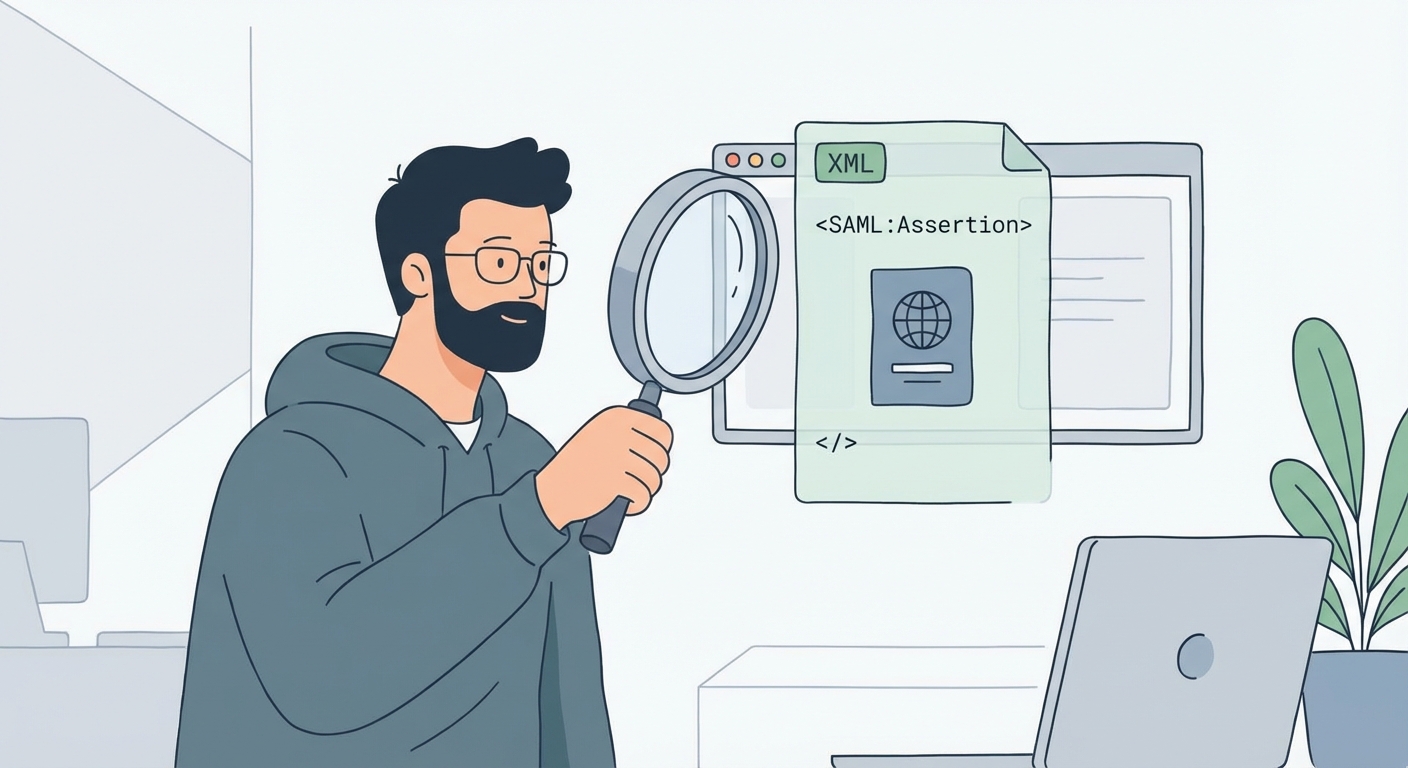
SAML 2.0: The Old Reliable. This is the granddaddy of enterprise sso. It's uses XML to shuttle user identity info around, and it's super secure 'cause it uses digital signatures. Think of it as the super-formal, very proper way for apps to say, "Yep, this person is who they say they are." It's good for complex setups where you need to share a bunch of details about the user, like in b2b integrations. For example, in a B2B scenario, SAML 2.0 might share attributes like the user's company name, department, role within the partner organization, and even specific permissions granted by the partner. This allows the partner's application to tailor the user experience based on their specific context.
OAuth 2.0 and OpenID Connect: The Cool Kids. These are the modern, json-based protocols that's all the rage for web and mobile apps. OAuth 2.0 is mostly for authorization (what someone can do), while OpenID Connect is the authentication (who someone is) layer on top. They are good for api integrations and microservices, where you want to give apps only the exact permissions they need and nothing more. Think of it like this: OAuth 2.0 is like giving someone a specific key to a particular room in your house, while OpenID Connect is like showing them your ID to prove you live there in the first place. They work together to grant access and verify identity.
So, which one do you pick? Well, saml is often the go-to for older, enterprise-y apps. OAuth/OIDC is better for new web and mobile stuff.

Sometimes, you might even need both in a mixed environment! It's all about picking the right tool for the job at hand you know?
Now that you got a handle of sso protocols, let's move on to sso architecture patterns.
SSO Architecture Patterns Choosing the Right Blueprint
Okay, so you've got sso protocols down. Now, how do you actually build the thing? It's all about picking the right architecture you know?
- Hub and Spoke: This is like, the classic setup. You got one Identity Provider (idp) that everyone trusts. It's super simple to manage, 'cause you only have one place to make changes. Works great for smaller orgs where things aren't too complicated.

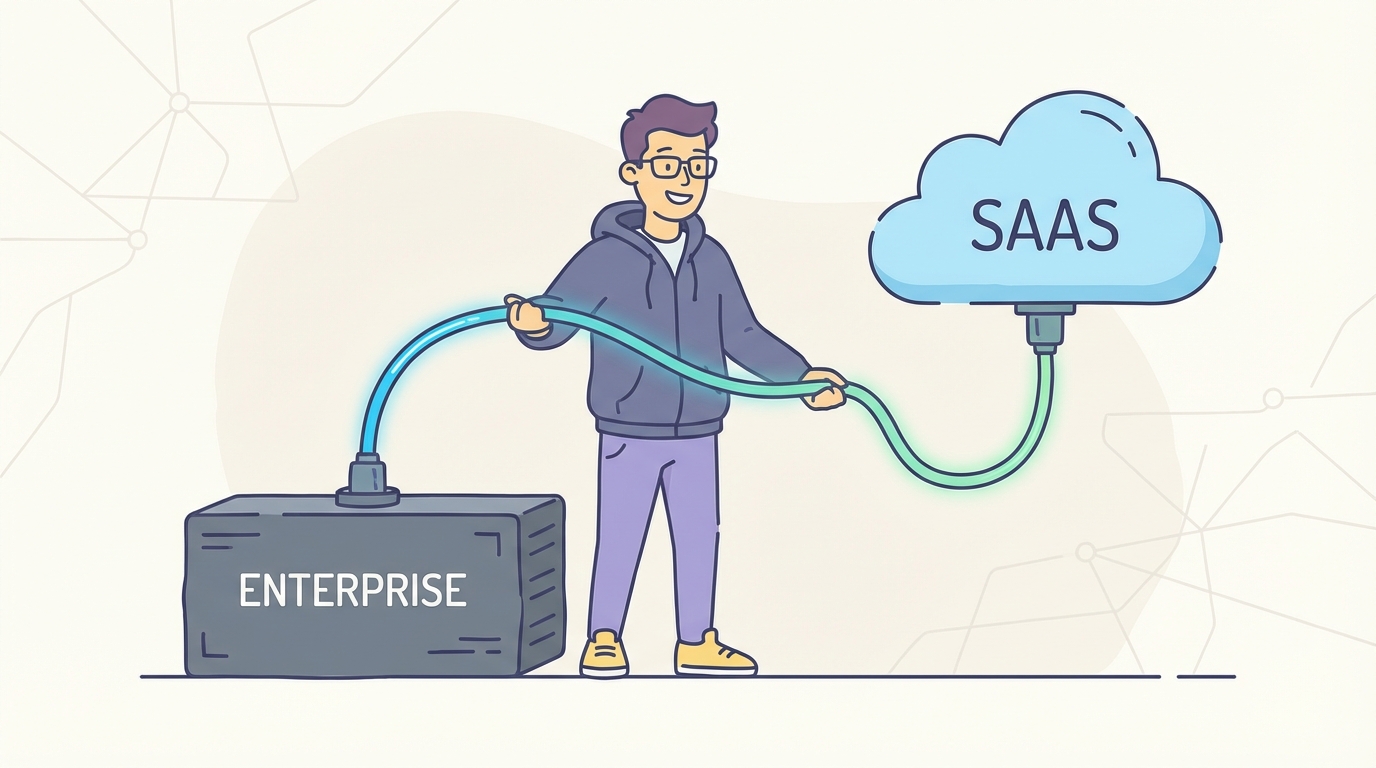
- Federated SSO: Things get more interesting when you have multiple idps that trusts each other. Think mergers, acquisitions, or when partners need access. It lets different departments keep their own systems, which is nice for autonomy and scale. In a federated model, IdPs establish trust relationships, often through exchanging metadata that describes their capabilities and security policies. When a user tries to access an application managed by a different IdP, their home IdP authenticates them and then securely asserts their identity to the application's IdP. The user experience is typically seamless; after the initial login, they can access applications across different federated systems without re-authenticating.

Choosing the right blueprint really depends on your situation. Pick the wrong on, and you'll end up with a headache, trust me.
Implementation Strategies From Planning to Production
Okay, so you're ready to actually do this sso thing? It's not just about picking the right protocols and architectures, y'know, you need a plan.
- Phase 1: Assessment and Planning. First, you gotta figure out what apps you even have. Make a list and decide which ones are most important to secure with sso. Also- figure out where your user identities live right now is it active directory? Some other ldap thing? Consolidating these identity sources is crucial. This is important because it simplifies management, reduces the risk of duplicate or conflicting user accounts, and ensures a consistent security posture across your organization. If identity sources aren't consolidated, you might face challenges like managing multiple sets of user credentials, increased chances of errors during provisioning/de-provisioning, and a more complex security audit process.
- Phase 2: Pilot Implementation. Don't go throwing sso at everything at once. Pick a few apps and a small group of users to test with. This is where you validate your technical architecture, refine your user training, and make sure your support team knows what's up.
- Phase 3: Phased Rollout. Now you can start rolling out sso to more apps, but do it in stages. Keep communicating with users and providing training. And, most importantly, keep monitoring everything to make sure it's working smoothly.
Implementing sso is kinda like knitting, you know? You gotta have a pattern, follow the steps, and keep an eye on things as you go. Next, let's dig into some practical solutions for common challenges.
Overcoming Implementation Challenges Practical Solutions
Okay, so you're rocking sso – but what happens when things gets tricky? Don't sweat it, there's always solutions, right?
Legacy Apps: These can be a pain, but there are ways to integrate them.
- WAM Gateways (Web Access Management): These act as a central point for authentication and authorization for older web applications. They can intercept requests and enforce SSO policies without modifying the legacy app itself.
- Header-Based Authentication: For applications that can read custom HTTP headers, you can use an SSO solution to inject authenticated user information into these headers, allowing the legacy app to trust the SSO provider.
- Screen Scraping: This is a more complex, last-resort method where the SSO solution simulates user interactions with the legacy application's interface to log them in. It's generally not recommended due to its fragility.
Mobile SSO: use OAuth 2.0 with pkce, mobile device management (mdm), or biometrics for secure mobile access.
Scale it Up: Load balancing, caching, and geographic distribution keeps things humming.
Up next, we'll look at security and operational best practices to ensure your SSO implementation is robust.
Security and Operational Best Practices Ensuring SSO Success
Worried about sso implementation turning into a security nightmare? It doesn't have to be! Here's some best practices to keep you on track:
- Multi-Factor Authentication (MFA): Enable it, especially for the ceo and privileged accounts.
- Session Management: Set appropriate timeouts and sync sessions across applications. Syncing sessions means that when a user logs out of one application, their session is also terminated for other applications accessed through the same SSO. This prevents lingering access and enhances security.
- Regular Security Audits: Review access and test disaster recovery often. This includes reviewing user permissions to ensure they are still appropriate, checking for inactive accounts that should be disabled, and analyzing audit logs for suspicious activity. Disaster recovery for SSO might involve having redundant Identity Providers, backup authentication mechanisms, and documented procedures for restoring service in case of an outage.
Operational efficiency is key, too. Let's move onto ensuring sso success with operational best practices.
The Future of SSO Emerging Trends and Innovations
Okay, so what's next for sso? It's not just about logging in once anymore; it's about how you log in. The future's looking pretty interesting, actually.
Passwordless Authentication:
- FIDO2/WebAuthn are making it easier to use hardware keys or biometrics. Think fingerprint scanners or face id – way more secure than passwords.
- Platform Authenticators let you use device-based authentication, like windows hello.
- Behavioral biometrics analyzes how you type or move your mouse. This establishes a baseline of normal user behavior and can flag deviations as potential security risks, prompting for additional verification.
Artificial Intelligence Integration:
- ai is helping spot weird login patterns. If someone's trying to access your account from, like, Nigeria when you live in ohio, it'll flag it.
- Risk scoring uses context (location, device) to decide if you need extra verification.
- Automated threat response can block suspicious access immediately.
Decentralized Identity:
- Blockchain-based identity gives users more control. Blockchain technology enables a distributed ledger where identity credentials can be stored and verified without a central authority.
- User-controlled credentials mean you're not so reliant on big providers. This means you can manage your own digital identity and choose what information to share.
- Enhanced privacy is a big deal, and portability means you can take your identity with you.
The future are coming, and it's bringing some cool identity stuff with it. Now, let's wrap things up with some final thoughts and key takeaways.
Measuring SSO Success Key Metrics and KPIs
Alright, so you've put in all this work with sso – but how do you know if it's, like, actually working? Well, it's all about tracking the right stuff.
- Technical Metrics: Keep an eye on authentication success rates – you want that high, y'know? Also, measure the single sign-on rate; this is the percentage of authentication events that are successfully handled by SSO, meaning users don't have to re-enter their credentials for subsequent application access within a given session.
- Business Metrics: Is the help desk getting less password reset tickets? That's a good sign, right? Plus, check if security incidents are goin' down.
- User Experience Metrics: Are users happy? Ask 'em! See if they're actually using the sso-enabled apps.
Basically, sso success is a mix of tech stuff, business gains, and happy users. On we go!