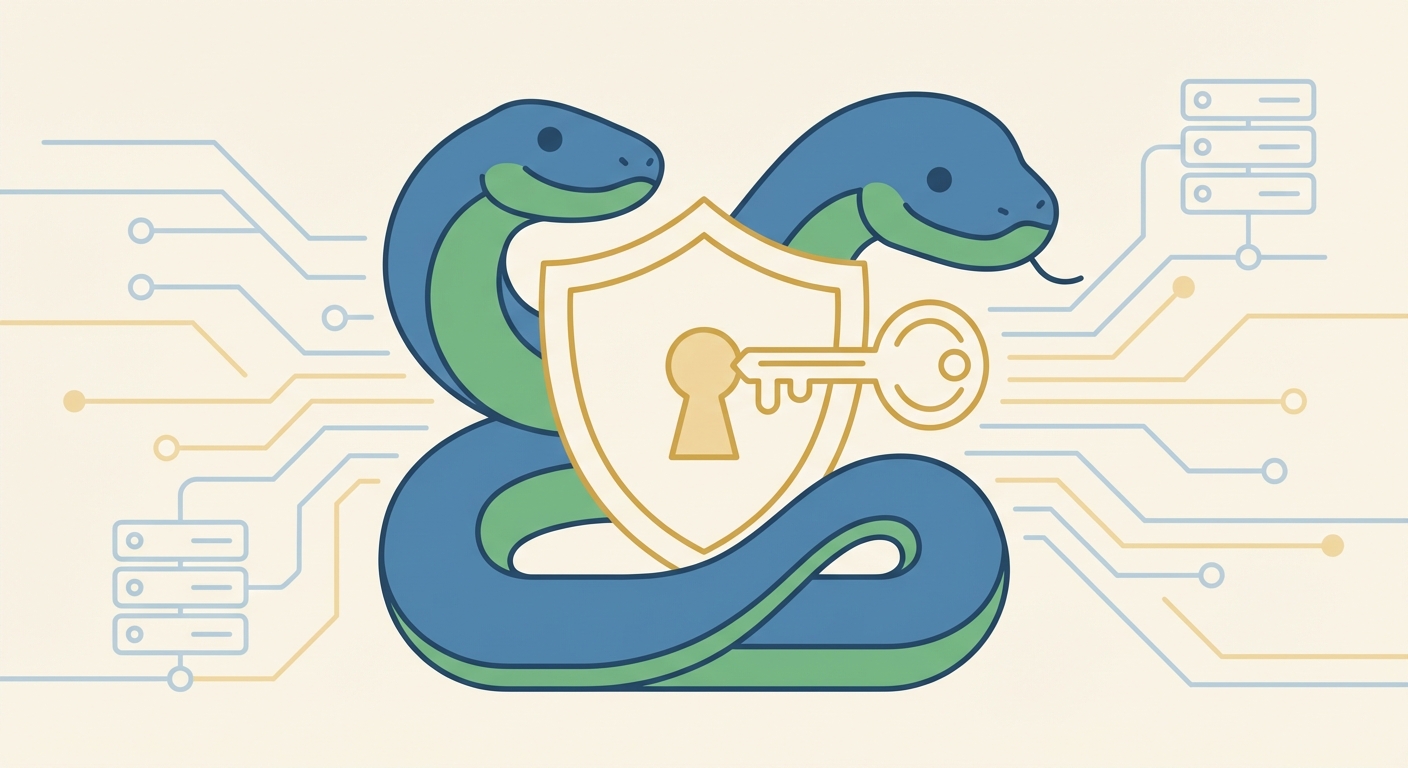
Configure SAML with Identity Management Solutions
TL;DR
- This article cover the essential steps for setting up SAML 2.0 with modern identity providers to achieve secure SSO. It includes technical walkthroughs for metadata exchange, certificate management, and security best practices to prevent common authentication vulnerabilities. You will learn how to integrate these protocols into your tech stack while ensuring your configurations are audit-ready and resilient against modern cyber threats.
Understanding the SAML Architecture for SSO
Ever wonder how you can hop between apps like slack and Jira without typing a password every five minutes? That's the magic of saml architecture—it's basically a digital passport for your corporate identity.
In a typical sso flow, you got four main parts working together:
- Identity Provider (IdP): This is your "source of truth." Think of tools like okta or Microsoft Entra id. They check who you are and hand out a signed token.
- Service Provider (SP): This is the app you actually want to use, like Salesforce or a custom site. It trusts the IdP to vouch for you.
- The User (Principal): This is the actual person (you!) who is attempting to access the service or app.
- The Trust: You have to exchange metadata (xml files) between both sides so they recognize each others certificates.
According to Trio, this setup is huge for security because it centralizes logins and cuts down on the risk of weak passwords across different platforms like healthcare or retail systems. (Study: Healthcare data breaches change the way patients ...)

If the certs match up, the user gets in. But if a certificate expires, everything breaks—which is a total headache for it admins. Next, we'll look at the step-by-step configuration process.
Step-by-Step SAML Configuration Process
So you've got your architecture down, now comes the part where you actually make the systems talk to each other. It's mostly just a game of copy-paste, but if you miss one character in a URL, the whole thing goes sideways.
Whether you are using a portal like power pages or an identity server like wso2, you'll usually find a "Federation Metadata" link that spits out an xml file. According to Microsoft Learn, you gotta find the entityID tag in that document—this is the unique name for your IdP.
- Grab the URLs: You need the SSO URL (where the app sends users to login) and the ACS URL (Assertion Consumer Service). This is the specific endpoint where the IdP sends the token back to the app.
- Upload or Manual?: Some platforms let you just upload the xml file and it fills everything out. Others make you type it in manually, which is where the typos happen.
- Industry check: In finance, you might have extra requirements for signing the authnrequest to prove it's really your app asking for the login. (How to fix the SAML Error Request not signed. Policy requires ...)
Once the "handshake" works, you have to tell the SP who is actually logging in. This is attribute mapping. You're basically saying "the field called 'mail' in okta should be 'EmailAddress' in my retail app."
As noted by Trio earlier, misconfigured attributes are a huge reason why users get "Access Denied" even after a successful login.
You should also look into jit (just-in-time) provisioning. This is great for healthcare systems with high turnover; the first time a nurse logs in, the system automatically creates their account based on the saml claims.

If you're using the Cloud Identity Engine, it might take up to 30 minutes for these changes to actually show up in the app, so don't panic if it doesn't work instantly. Next, we'll talk about keeping these connections secure.
Testing and Validating your SAML Setup
Ever spent hours on a saml setup just to get a generic "Access Denied" error? It’s the worst, honestly. You think everythings perfect but then some tiny attribute mismatch or an expired cert ruins your afternoon.
Testing isn't just a "nice to have" step—it's how you make sure your users in retail or healthcare don't get locked out on day one. You gotta simulate those login flows before going live.
- Use saml-tracer: This browser extension is a lifesaver. It lets you see the actual xml being passed back and forth so you can spot if the entityID or ACS URL is wonky.
- Check your logs: If you're using a system like the one from Palo Alto Networks mentioned earlier, remember that changes can take up to 30 minutes to sync. Check the auth logs to see exactly where the handshake fails.
- Validate the Assertion: Tools like SSOTools provide free saml and oauth validation. They help you audit the security of your tokens to ensure they aren't vulnerable to common attacks.

I once saw a finance app fail because the signature algorithm didn't match—one side wanted RSA-SHA256 and the other was stuck on SHA1. Always double-check those technical details. Next, we’ll dive into broader security best practices, including managing those pesky certificates.
Security Best Practices and Common Pitfalls
Ever had a whole office lose access to their tools because a single certificate expired? It’s a mess and usually happens at 4:00 PM on a Friday.
Certs are the backbone of your saml trust. If they expire, the handshake fails immediately. In high-security spots like finance, you should always enable assertion encryption. This ensures that even if a token is intercepted, the data remains unreadable.
- Rotate keys early: Don't wait for the expiration date.
- Assertion Signing: Always sign your responses to prove they came from your actual idp.
- Encryption: Use strong algorithms like RSA-SHA256.
Attackers love to forge saml responses. To stop this, your service provider must validate the Audience Restriction and Recipient tags. These tags must match the SP's Entity ID exactly. If they don't, an attacker could take a token meant for one app and use it to log into another—which is called a Token Substitution attack.

In retail or healthcare, where turnover is high, combine this with mfa at the idp level. It adds a layer of safety if a credential gets leaked. Next, we’ll look at where authentication technology is headed in the future.
Future Trends in Authentication
So, where is all this auth stuff heading? If you think saml is the end of the road, you're gonna be surprised because the landscape is shifting fast toward things that don't even need a password.
The big change right now is how ai security tools are basically acting like a 24/7 bouncer. Instead of just checking a token, these systems watch for weird patterns—like a nurse in a healthcare clinic suddenly logging in from a different country at 3 AM.
- Real-time Threat Detection: modern systems use machine learning to spot anomalous login patterns before they cause a breach.
- Passwordless shifts: we are seeing a huge move toward fido2 and biometrics, which honestly makes life easier for retail workers who can't remember sixteen different passwords.
- oidc and oauth integration: while saml is the king of enterprise, more devs are moving toward OpenID Connect because it's easier to handle in mobile apps and modern api environments.
According to cybersecurity news from Trio, keeping up with auth vulnerabilities is a full-time job, specially with how fast hackers find gaps in old protocols.

Honestly, the goal is to make security invisible. Whether you are in finance or running a small shop, the future is about less friction and way more "behind the scenes" math. Stay safe out there!