Difference between SSO and SAML explained
TL;DR
- This article dives deep into the core differences between Single Sign-On (SSO) and Security Assertion Markup Language (SAML), clarifying their distinct roles in user authentication. It covers how SAML acts as a specific protocol enabling SSO, while SSO is the overarching process simplifying access to multiple applications with single credentials, and also when to use each for optimal security and user experience.
What is SSO? A Birds-Eye View
Okay, let's dive into what Single Sign-On (SSO) actually is, without getting too lost in the weeds right away. Ever get annoyed by having to log in, like, a million times a day? That's the pain sso is designed to solve.
SSO is basically your golden ticket to multiple apps. Forget juggling tons of usernames and passwords; with sso, you log in once and boom—you're in, across different applications. Think of it as a digital master key, enabled by a central identity provider that verifies your credentials.
It's all about making things easier. The main idea of sso is to cut down on login hassles and streamline the user experience. No more password amnesia every five minutes, you know? A central system, the Identity Provider (IdP), handles this initial verification.
Instead of the usual separate logins, you get verified once by a central system (the Identity Provider) and then you can get into all the systems you're allowed to use. No need to keep re-authenticating.
Better User Experience: Can't stress this enough; you get to remember one set of login details. It's way easier than trying to remember a different password for every site you visit.
Facilitates Stronger Security: sso lets you set up stronger password rules because authentication is all in one place. Plus, you can throw in multi-factor authentication (mfa) easier, too, as managing a single point of authentication simplifies mfa integration.
Easier Admin Stuff: it departments can handle credentials more efficiently. Less time spent on password resets and getting new users set up; as OmniDefend mentions, it cuts down on the time it takes to manage users by centralizing credential management, simplifying onboarding/offboarding, and reducing the attack surface related to credentials.
Less Password Fatigue: people are less likely to write down their passwords or use really simple ones if they only have one to remember.
So, that's sso in a nutshell: one login to rule them all.
Diving into SAML: The Technical Backbone
Did you ever wonder how you magically stay logged in across multiple sites after just one login? SAML is a big part of that magic trick. It's kinda like the unsung hero that makes sso actually work behind the scenes.
SAML is a standard, not a system. It's the set of rules that lets different systems talk to each other securely. Think of it as a common language or a blueprint that defines the format and protocols for exchanging identity information between systems.
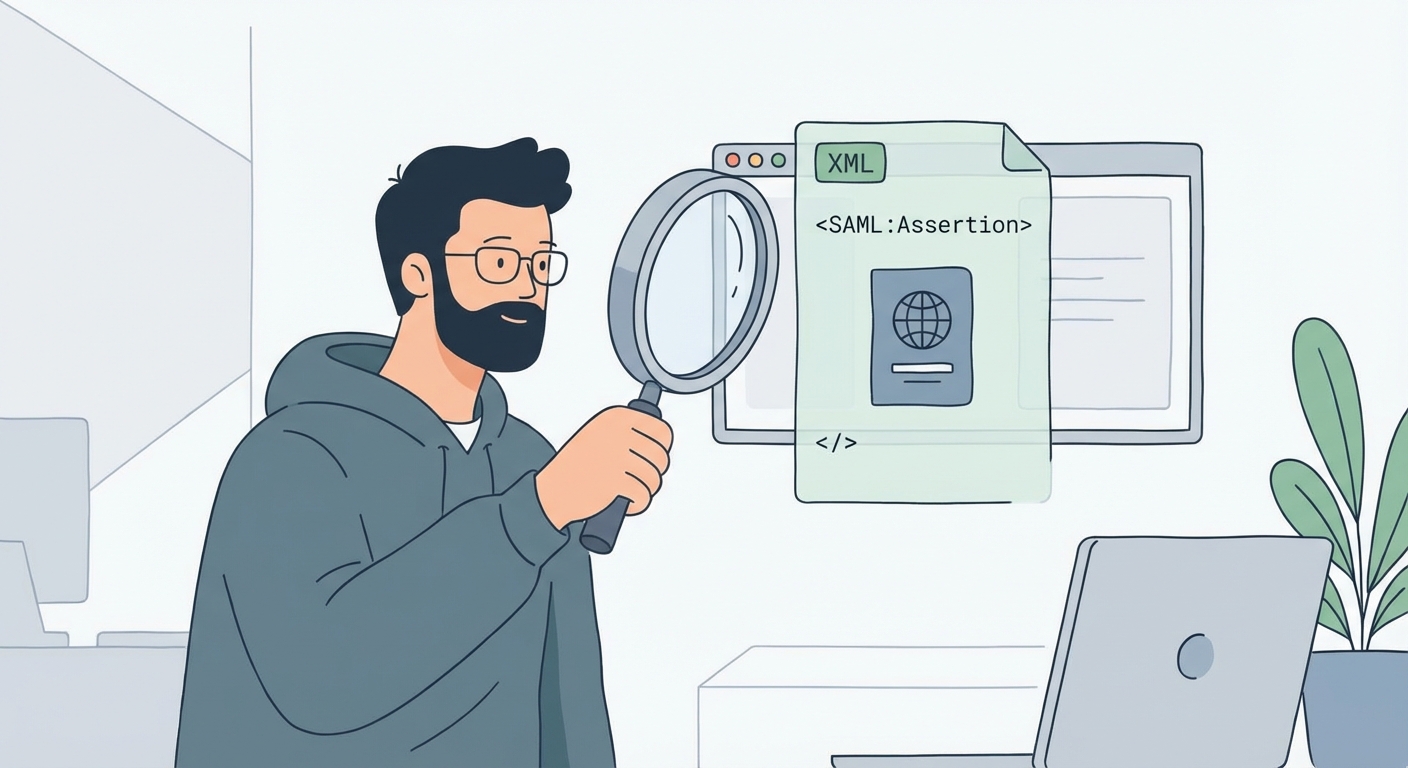
Assertions are key. These are XML documents that contain user identity and authorization data. It's basically a digital statement saying "yep, this person is who they say they are (proof of authentication), and they're allowed to do this (potential authorization attributes)."
It's all about cross-domain SSO. saml really shines when you're logging in across different websites or services, especially those owned by different organizations. This is super common in enterprise environments.
So, how does this actually work? When you, the user, try to access an app (the service provider or SP), the SP asks your identity provider (like your company's login system, the IdP) to verify who you are. The IdP checks your credentials (prompting you if needed) and then sends a saml assertion back to the SP. If everything checks out, you're in!
It might sound complex, but the main thing is that SAML provides a secure way for systems to share user info, making sso possible.
SSO vs SAML: Core Differences Unveiled
Okay, so you're probably wondering, like, what's really different between sso and saml, right? It's easy to get them mixed up, but they ain't the same thing, ya know?
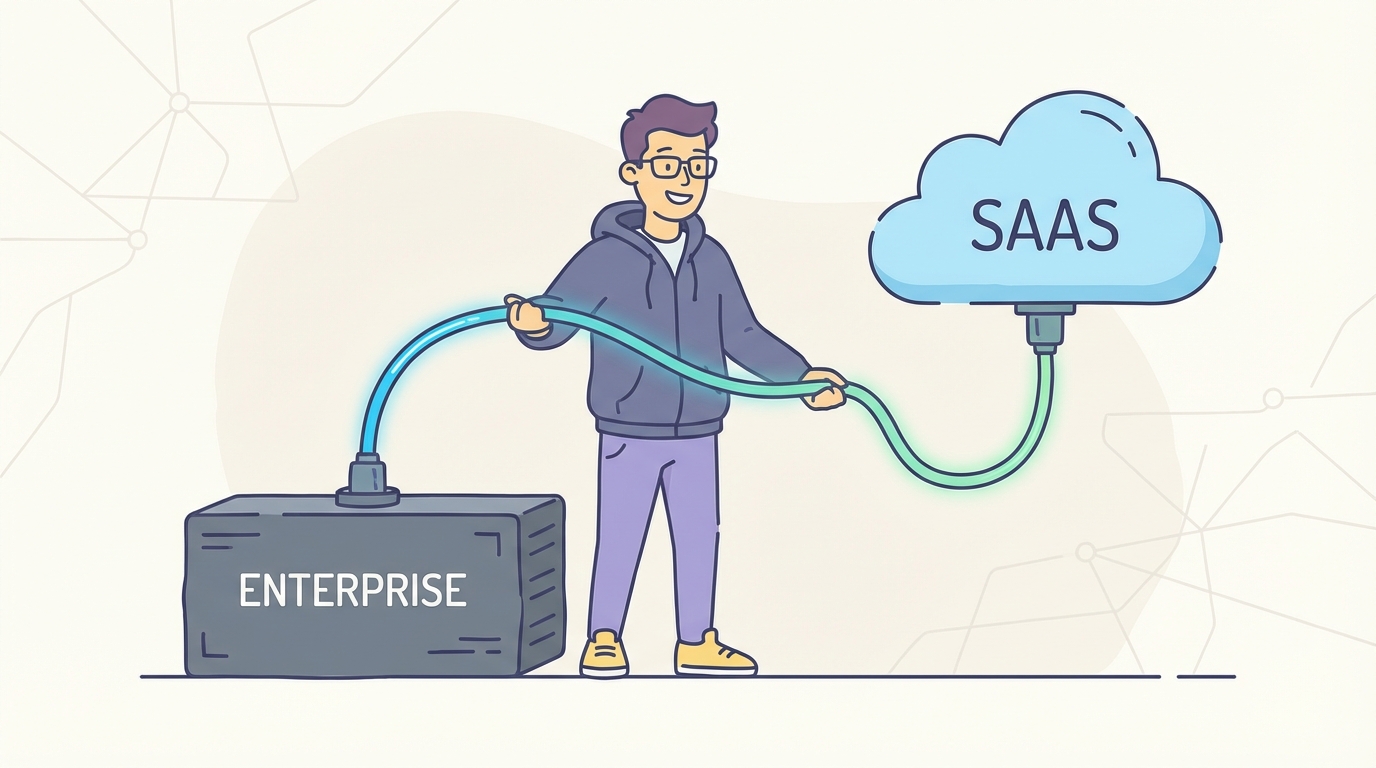
sso is a concept, saml is a protocol. sso is the idea of logging in once to access multiple apps. saml? it's one way to make that happen, defining the message structures for authentication. Think of SSO as the overall goal, and SAML as a specific, standardized protocol used to achieve it, particularly for cross-domain scenarios.
Scope matters. sso can work within your own little digital world (internal SSO), or across the whole dang internet (external or federated SSO). saml is really built for cross-domain sso, where users need to jump between different websites and services. So if you only need sso internally, you might not need saml; simpler mechanisms can often suffice.
Implementation Options. sso can be built using different protocols, including saml, oauth, openid connect, and kerberos. saml is a standardized protocol. It provides a framework for sso, ensuring everyone speaks the same language.
Security Models Differ: The security of an sso setup depends on the protocol you're using. saml uses xml-based assertions for security, with digital signatures for integrity and authenticity, and encryption for confidentiality to keep things tight. saml's security is solid, using cryptography to make sure everything's legit. Other protocols like OAuth and OpenID Connect also have their own distinct security mechanisms.
So, while sso is the overall idea of one-login-for-all, saml is a specific, secure way to achieve it, especially when you're dealing with different organizations.
Practical Considerations: Choosing the Right Approach
So, you're trying to figure out which way to go with SSO, huh? It kinda boils down to where your users need access.
Internal Use Cases: If you're just trying to make life easier for your employees inside the company, you might not need the full force of SAML. Simpler solutions like OAuth (often used for API access and delegated authorization) or even hooking into your existing directory services (like Active Directory for internal SSO) could do the trick.
Cross-Domain SSO is SAML's Sweet Spot: Need users to seamlessly jump between your app and, say, a partner's service? That's where SAML really shines. It's built for securely authenticating users across different orgs.
Think About Scalability Too: A small startup might be fine with a basic setup, but larger enterprises with complex security needs will probably lean towards SAML's robust features. SAML's widespread adoption, support for federated identity, and advanced security mechanisms make it a strong choice for enterprises.
Evaluate what you already have in place; does it make sense to bolt on saml, or start fresh?
Security Best Practices for SSO and SAML
Okay, so you're all set with sso and saml, but how do you keep it secure, right? It's not just a set-it-and-forget-it kinda deal.
- First, crank up the encryption for those saml assertions. We're talking strong standards to scramble that data good, ensuring confidentiality.
- Then, validate those certificates like your life depends on it. Strict checks ensure only the real deal gets through, verifying authenticity.
- Don't be predictable; use unique, random identifiers for each session. This prevents session hijacking or replay attacks.
- set session timeouts that makes sense. You don't want to keep people logged in forever; this reduces the window of opportunity for unauthorized access if a device is lost or an account is compromised.
Pair all this with multi-factor authentication (mfa), and you're in a much better place.
Conclusion: Navigating the SSO and SAML Landscape
Wrapping it up, eh? Hopefully, you now have a much clearer idea of the difference between sso and saml, and, more importantly, how they work together.
- sso simplifies access. It's all about logging in once and getting access to multiple applications. Think of it as a user-friendly interface that reduces password fatigue, as internal applications often have simpler authentication mechanisms that suffice.
- saml is the backbone for secure cross-domain authentication. It ensures that identity information is securely exchanged between different systems. Its standardization and interoperability make it a strong engine that powers secure sso implementations across different organizations.
- Choosing the right approach depends on your needs. Internal applications might not need the full power of saml, while cross-domain sso definitely does, benefiting from SAML's ability to connect disparate systems.
So, yeah, understanding these differences is, like, crucial for enhancing security and user experience, right?