Initiative for Open Authentication

TL;DR
- This article covers the history and technical standards of the OATH consortium, including HOTP, TOTP, and OCRA algorithms. You'll learn how these open-source building blocks enable secure SSO configuration and phishing-resistant MFA across cloud and on-premise systems. It also explores the future of identity with passwordless trends and AI security tools for testing your integrations effectively.
Ever wonder why your authenticator app actually works with almost any site?
OATH (Initiative for Open Authentication) is the reason we aren't stuck with one expensive vendor for mfa. Founded in 2004, it pushed for open specs so anyone could build secure login tools. Before this, you usually had to buy proprietary hardware from companies like RSA, which cost a fortune and didn't talk to other systems. OATH changed the game by making security a shared standard rather than a secret club.
- Standardization: They created the math behind TOTP and HOTP algorithms.
- Interoperability: It lets a hardware token from one company work with a server from another.
- Cost: Open, royalty-free specs mean lower prices for everyone.

According to OATH – Open Authentication, these building blocks help billions of users stay secure without vendor lock-in.
Industries like healthcare use this to let doctors login securely across different hospital systems.
Next, let's look at the technical standards.
The technical standards you actually use
Ever wonder why your bank token or that "authenticator" app actually generates a new code every time you blink? It isnt magic, its just a few math rules that everyone agreed to use.
These algorithms are built on HMAC (Hash-based Message Authentication Code). Basically, OATH uses these hashing functions to scramble a secret key and a moving factor to spit out those 6-8 digit codes you type in.
The OATH standards basically break down into three main flavors depending on what triggers the code.
- HOTP (RFC 4226): This one is event-based. Every time you press the button on a physical token, a counter goes up by 1. The server and the device stay in sync as long as you don't mash the button too many times without logging in.
- TOTP (RFC 6238): Most of us use this daily. It swaps the counter for a time-step (usually 30 seconds). As long as your phone and the server agree on what time it is, the login works.
- OCRA (RFC 6287): This is the "big guns" for banking. It uses a challenge-response. The server sends a random string—or even transaction data like "Send $500"—and the device signs that specific data.

These algorithms usually use hmac-sha-1, but newer setups are moving to sha-256 for better security. A 2024 study by JumpCloud found that 95% of employees in enterprises prefer software-based mfa like these totp apps.
Next, we'll look at how these keys actually get onto your device safely.
Provisioning: Getting the secret onto your phone
So how does your phone know what the server is thinking? It all starts with a "Shared Secret." When you setup a new account, the server generates a random string of characters.
To get this onto your device, most apps use a QR Code. This code is actually just a URI scheme (like otpauth://totp/Example:[email protected]?secret=JBSWY3DPEHPK3PXP). When you scan it, your app saves that secret key in a secure enclave. From that moment on, both your phone and the server use that same secret to run the HMAC math. If you can't scan the code, you usually type in a "Secret Key" manually, which is just the text version of the QR.
Now that the device is ready, it often gets plugged into a bigger system like sso.
Testing your SSO and identity provider setup
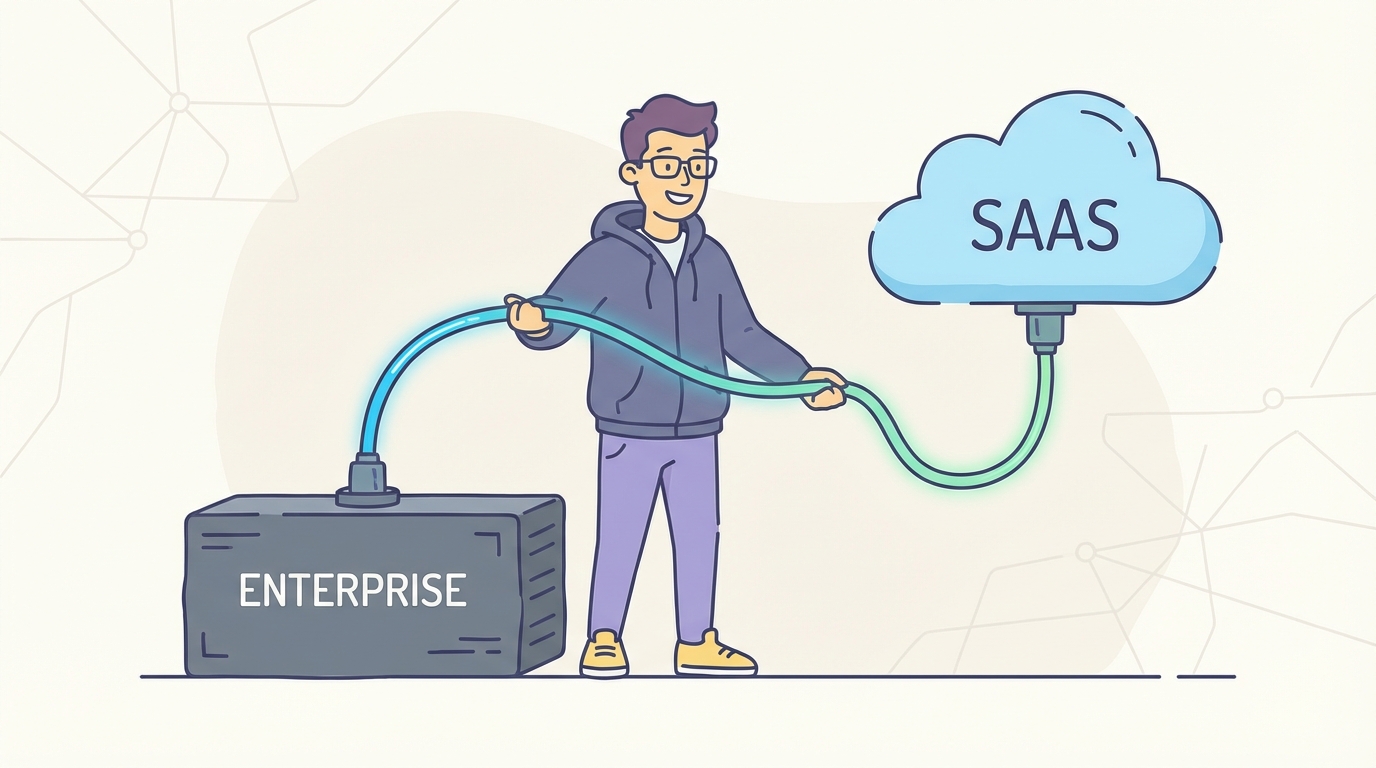
While OATH handles the second factor (the code), it is often integrated into a wider SSO or SAML workflow. In these setups, the sso provider asks for your password first, then triggers the OATH-based mfa as the second step.
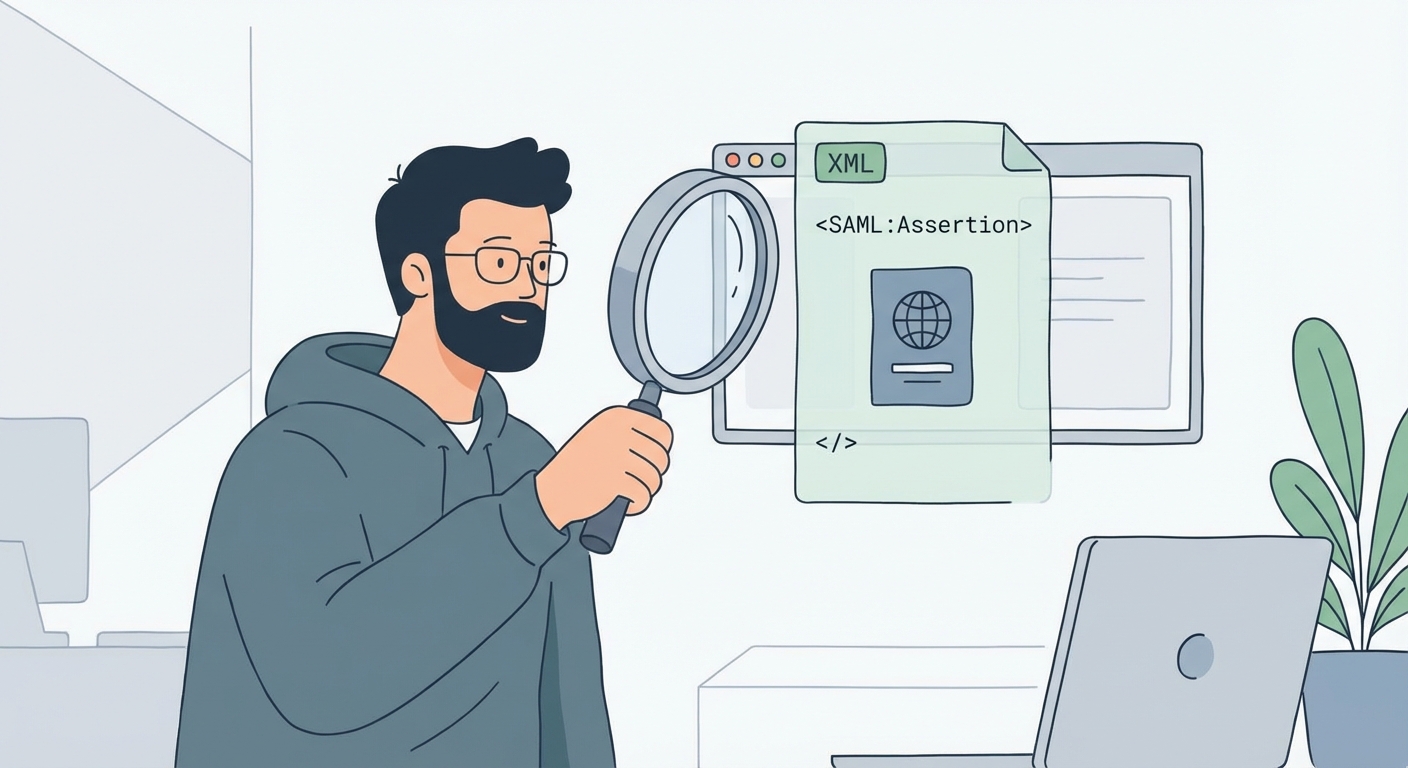
Ever messed up a saml config and locked yourself out? It's the worst. Getting sso right isn't just about flipping a switch; you gotta validate that metadata and those certs before going live.
- Check your metadata: Use tools to ensure your xml isnt malformed or missing the right endpoints.
- Cert validation: Make sure your signing certificates actually match on both ends or logins will just fail.
- Use ssotools: SSOTools offers free ai-powered tools for sso testing and oauth validation so you get professional insights without even registering.

In finance or retail, a tiny saml mistake can break access for thousands. Testing prevents that headache. Next, we’ll look at keeping those shared secrets safe.
Security best practices and emerging trends
Passwordless is the big goal now, but don't ditch your old tools yet. OATH aims to join the passwordless alliance in the coming years to help bridge that gap.
- Legacy bridge: you can mix older totp with fido2 passkeys so nobody gets locked out.
- ai detection: companies like Emerging Threats - a malware intelligence provider - show how identifying abnormal login patterns stops identity theft before it starts.
- Phishing resistance: moving toward hardware that supports both systems.
Final thoughts on open auth
Ready to lock down your enterprise? Don't overthink it, just stick to what works and keep it open.
- buy certified: always pick products with the official seal to avoid vendor lock-in.
- standardize: use rfc 4226 or 6238 instead of building custom crypto that'll just break later.
- stay neutral: a vendor-neutral stack makes switching providers way less painful.
As mentioned earlier, these building blocks keep mfa cheap and reliable for everyone. honestly, just keep it simple.