Ditch the Password A Practical Guide to Passwordless Authentication
TL;DR
- Explore passwordless authentication methods, covering OTPs, biometrics, FIDO2, and more. Understand implementation strategies, security benefits, and how to navigate the transition from traditional passwords. Discover how passwordless authentication enhances security, improves user experience, and reduces operational costs for IT environments.
The Passwordless Revolution Why Now
Okay, so why is everyone suddenly ditching passwords? Well, it's not just a trend; it's kinda a necessity now.
Users are, like, super frustrated with complex password requirements – it's a pain, and they end up reusing passwords anyway. (What is Password Fatigue and How to Fix It? - AuthX)
It support teams are drowning in password reset requests; think how much time and money that costs! (The Average Password Reset Costs $70 - Wingman IT Services) Forrester says U.S. enterprises spend over $1 million each year on password support (New Forrester Report: The Real Cost of Password Risks), Forrester
And the big one: Passwords are crazy vulnerable. The Verizon DBIR report says over 80% of hacking breaches involves brute force or stolen credentials Verizon DBIR.
Enhanced security is a major win. Passwordless methods are way more resistant to phishing, so that's good.
Better User Experience: Login becomes simpler, and users and administrators are happier.
Cost Savings: Less password management equals less it headaches and lower costs overall.
Compliance: passwordless helps you comply with modern security standards; NIST 800-63B recommends multifactor authentication and phishing resistant methods Identity Defined Security Alliance.
So, what's next? Let's dive into the actual benefits of going passwordless.
Exploring Passwordless Authentication Methods
Alright, so you're thinking about ditching passwords? Cool, but where do you even start? There's actually a bunch of ways to make it happen, and each got it's own quirks.
One-Time Passwords (otps) are pretty straightforward. The user gets a unique, auto-generated code via sms or email. Enter it, and boom, you're in.
Time-Based OTPs (totps) are a step up, adding a time limit, usually a minute or two, to the code's validity. This make it a bit harder for hackers to use it, 'cause, you know, timing is everything. These are common in banking apps.
There are also hmac-based one-time password (hotp) that's based on an internal counter. Every validated hotp request moves the counter incrementally and creates a new sync between the server and the otp generator. Unlike TOTP, HOTP doesn't rely on time. Instead, it uses a counter that increments with each successful authentication. This means both the server and the authenticator need to keep track of the same counter value to ensure synchronization. While it's secure, managing the counter can be a bit more complex than time-based methods.
Magic links are super user-friendly. Enter your email, get a link, click it, and you're logged in. It's like a VIP pass straight to the app!
The downside? It's all relies on email security. If someone get's into your email, they get into everything.
An SDK (Software Development Kit) is a set of tools and code that developers use to build applications. For magic links, the SDK integrates with the application, allowing it to generate and send these special links to users, making the whole process seamless.

Biometric Authentication leverages unique biological characteristics for verification. This includes: - Fingerprint Scanners: Reads the unique patterns of a user's fingerprint. - Facial Recognition: Analyzes facial features to identify a user. - Iris Scans: Maps the intricate patterns within a user's iris. These methods offer a high degree of convenience and security, as they are difficult to replicate.
FIDO2/WebAuthn is a set of open standards that enable strong, phishing-resistant authentication. It allows users to authenticate using hardware security keys or built-in platform authenticators (like biometrics on your phone or laptop). When you use a FIDO2/WebAuthn authenticator, it creates a unique cryptographic key pair for each service you register with. Your device then uses your private key (which never leaves your device) to sign a challenge from the service, proving your identity without ever sending a password. This makes it incredibly resistant to phishing and credential stuffing attacks.
Choosing the right method really boils down to what you need. According to Microsoft, the choice between passwordless options depends on your company's security, platform, and app requirements Microsoft Entra passwordless sign-in - Microsoft Entra ID.
Now that we've explored various passwordless methods, let's delve deeper into the practicalities of implementing them, starting with a phased approach.
Passwordless in Action Implementing a Phased Approach
Alright, so you're ready to actually do this passwordless thing? It's not just flipping a switch; it's more like a journey, but a worthwhile one, trust me.
First things first, you gotta identify where passwordless will make the biggest impact. Are you drowning in help desk tickets for password resets? That's a good place to start!
- Target specific applications and user groups: Don't try to boil the ocean. Maybe start with your cloud apps or a group of users who are particularly security-conscious.
- Implement mfa as a foundation: Multi-Factor Authentication (mfa) is your friend. It's not quite passwordless, but it's a huge step up in security, and as Duo Security notes, it's a key step toward a passwordless future.
- Reducing password reset requests: This is a big win. Think of all the time your it team will save. According to Duo Security, 20-50% of all it help desk tickets each year are for password resets, so, yeah, it's a lot!
Okay, so you got mfa in place. Now, lets make things smoother, shall we?
- Leveraging sso for cloud applications: single sign-on (sso) means users only have to authenticate once to access multiple apps. makes life easier, no?
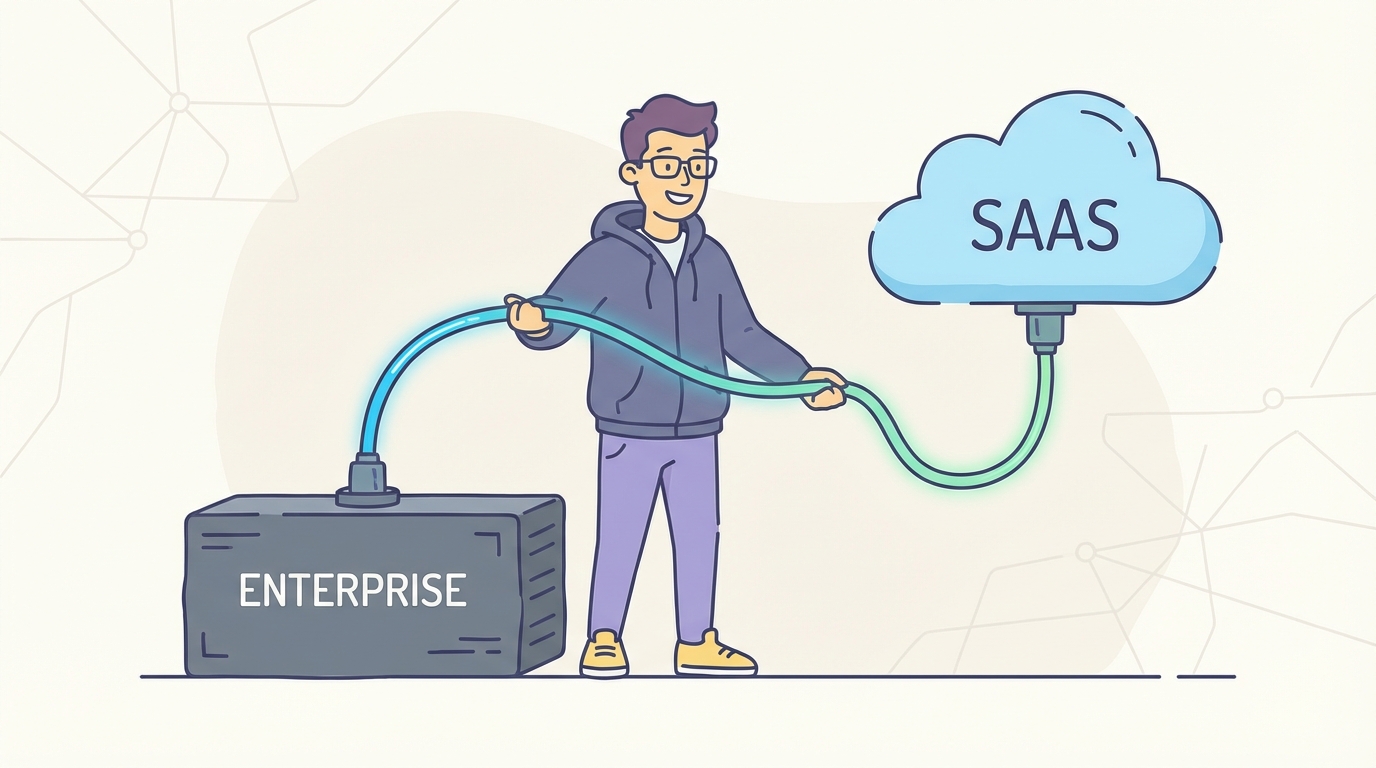
- Integrating access and authentication proxies for on-premises services: These are essentially gateways that sit in front of your older, on-premises applications. They intercept authentication requests and can translate modern authentication protocols (like those used in SSO) into something your legacy apps can understand. This allows you to extend the benefits of SSO and passwordless authentication to applications that weren't originally designed for it, without having to rewrite them.
- Duo Central: Duo Central is a management console that provides a unified view and control over your authentication policies and user access across various applications. It helps streamline the deployment and management of passwordless authentication workflows, making it easier to enforce policies and monitor access.

Now, let's get smarter about who gets access and when.
Applying adaptive access policies: These policies look at things like the user's location, device, and behavior to determine if they should be granted access. Kinda like a bouncer at a club, but for your data.
Analyzing user behavior and device health: Is the user logging in from a weird location? Is their device compromised? Adaptive access can detect these things and block access if necessary.
Access policies and device trust: Duo Security mentioned that access policies and device trust to detect anomalous user behavior and spot risky devices with policies that provide contextual signals around each access attempt.
Enabling biometric authenticators and security keys: This is where it gets really cool. Users can log in with a fingerprint, face scan, or security key, no password required.
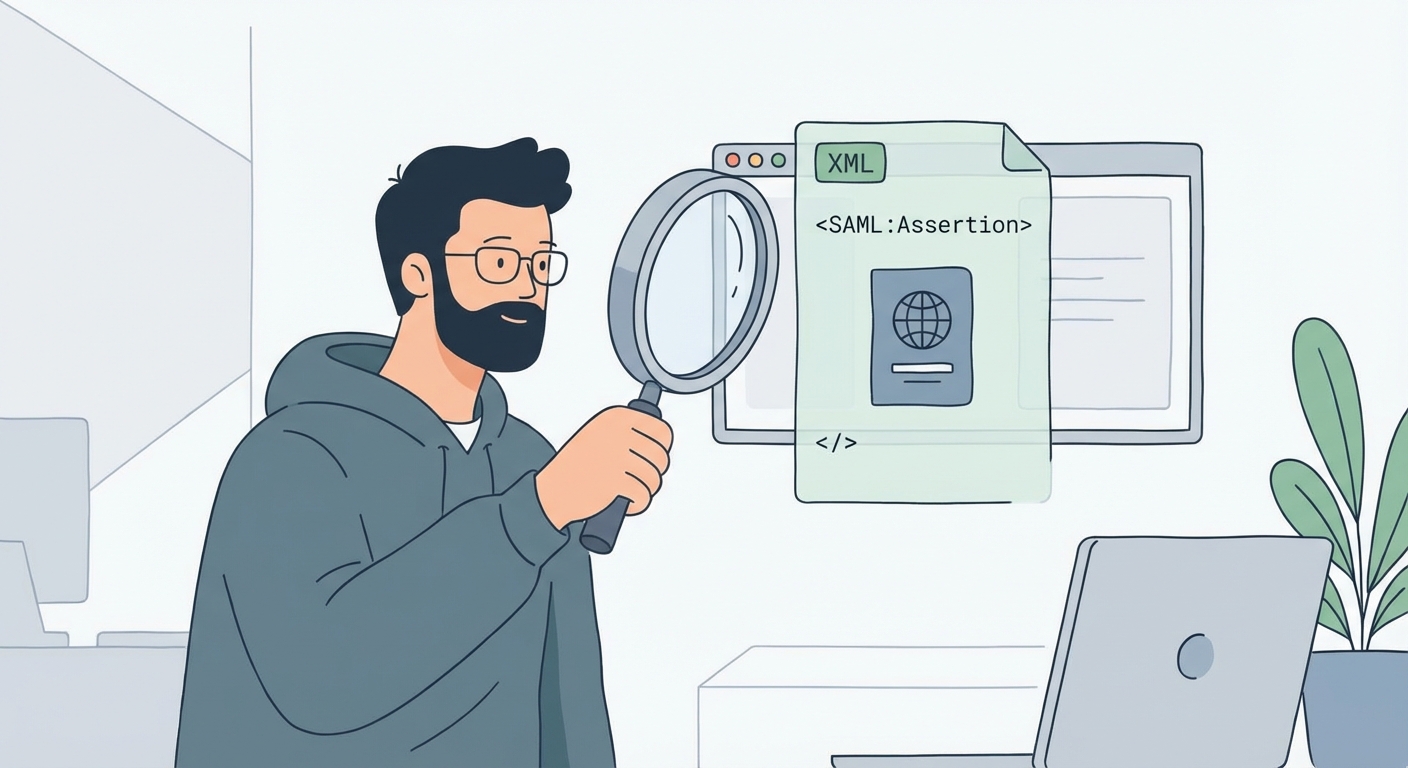
Utilizing webauthn for saml applications: WebAuthn is a standard that makes it easier to use biometrics and security keys for web-based apps.
webauthn mfa and agnostic integrations: Again, it's about making things as seamless and secure as possible.
Now that you've laid the groundwork, let's explore how specific tools can help you implement and manage your passwordless strategy.
SSOTools Your Partner in Passwordless Success
Ready to make passwordless a reality? It's not just a dream; it's totally achievable with the right tools.
- ssoTools provides completely free ai-powered tools; this includes sso testing, saml/oauth validation, security assessment, and identity provider integration. Think of it as your free security sidekick
- It offers free sso configuration testing and free saml/oauth validation; this means you can check if everything's hooked up right before you roll anything out.
- You get instant, professional-grade insights. no registration, no hoops to jump through! just straight answers.
- The "ai-powered" aspect means these tools use artificial intelligence algorithms to analyze your configurations and identify potential issues or vulnerabilities. For example, the sso config validator might use ai to learn common misconfigurations and flag them, while the security audit could leverage ai to detect patterns indicative of security risks that a human might miss. This allows for faster, more comprehensive analysis than manual checks alone.
- It includes sso config validator, saml & oauth testing, sso security audit, and idp integration testing. It's got everything you need to cover your bases.
With ssoTools, you're not just hoping for the best; you're actively making it happen.
Navigating the Challenges and Risks
Passwordless sounds great, right? But there are definitely some bumps in the road. It's not all sunshine and roses, so let's look at some real challenges.
- Legacy systems are a biggie. How do you make passwordless play nice with older apps? You could try password managers as a band-aid, but a phased upgrade plan is really what you need.
- Then there's security risks. What happens if someone steals a device, or biometric data gets compromised? Gotta have plans for securing that data and preventing phishing attacks, even on alternative authentication methods.
- And don't forget user adoption. If people don't use it, what's the point? Clear documentation and training are key, along with easy self-service password reset options. Also, address any privacy concerns upfront.
As mentioned earlier, NIST 800-63B recommends multifactor authentication and phishing-resistant methods.
So, what's next? Let's dive into challenges...