SAML Toolkit: Comprehensive Resource Hub
TL;DR
- This article is covering everything you need to know about SAML toolkits, like what they are, why they're important, and how to use them effectively. We'll explore open-source options, commercial solutions, and the key features to look for. Also, we touch on security best practices and how toolkits can help you stay secure in the ever-evolving world of identity management.
Understanding SAML Toolkits
Alright, let's dive into SAML toolkits. Ever wondered how you can log into, like, everything with just one password? Well, SAML toolkits are a big part of that magic. It's not always smooth sailing, but it's way better than juggling a million different logins, trust me.
Think of a SAML toolkit as a box of LEGOs for authentication.
- It's a collection of libraries and utilities that helps you implement SAML (Security Assertion Markup Language) in your applications.
- These toolkits handle the nitty-gritty details of the SAML protocol, so you don't have to, which significantly simplifies development.
- For example, the python-saml toolkit simplifies adding SAML support to Python apps.
Why not just roll your own authentication? Because security is hard.
- Toolkits reduce development time and effort, letting you focus on other things.
- They enhance security by using pre-built and tested components.
- Toolkits also ensure interoperability with different Identity Providers (IdPs), which is crucial if you're dealing with multiple systems.
- According to SAML Explained in Plain English | OneLogin, SAML improves the user experience by allowing users to sign in once and then access multiple web applications without needing to re-authenticate. For instance, a user could log into their company portal and then, with that same login, access their email, HR system, and project management tool seamlessly.
Next up, we'll look at why SAML toolkits are essential for modern identity management. It's not just about convenience; it's about security and streamlining things.
Exploring Open-Source SAML Toolkits
Okay, so you're thinking about using open-source SAML toolkits? Honestly, it's a bit like deciding to build your own house instead of buying one—potentially rewarding, but definitely comes with its own set of challenges.
There's a bunch of options out there. For example, if you are in Python, there's the python-saml toolkit that we mentioned earlier, which is pretty popular, or if you're in a Java shop, OpenSAML is a solid choice. For those who are into php, SimpleSAMLphp is there. Furthermore, the SAML-Toolkits (GitHub) repository offers a collection of toolkits for various programming languages.
These toolkits usually handle both sso and slo, whether it's service provider-initiated or identity provider-initiated. You'll also often find support for assertion and NameID encryption. Message signatures are pretty standard, too, which enhances security.
One of the big wins with open-source is cost—it's generally free, which is a significant advantage! Plus, you can tweak things to fit your exact needs, which is a huge plus for customization. The downside? You're on your own for maintenance and you better know what you're doing, or things can get messy real fast.
Looking for ai-powered sso testing? ssotools offers completely free ai-powered tools for sso testing, saml/oauth validation, security assessment, and identity provider integration. get instant, professional-grade insights without registration.
Next, we'll explore the essential role SAML toolkits play in modern IAM.
Commercial SAML Toolkit Solutions
The value of commercial SAML toolkits depends on specific organizational needs. Think of it as buying a pre-built computer versus building your own.
Commercial SAML toolkits typically offer:
- Simplified setup is a big draw. They often provide guided wizards and pre-configured integrations, aiming to easily integrate with popular identity providers. This can save IT teams considerable time, as highlighted in their articles. For instance, the Microsoft Entra SAML Toolkit aims to simplify integration with Microsoft Entra ID.
- Dedicated support is another key advantage. If something goes wrong, you've got someone to call. This provides dedicated support channels for troubleshooting.
- Advanced features like enhanced security, compliance certifications, and enterprise-grade management capabilities are also common.
Commercial toolkits often include dedicated support, which can be particularly beneficial for teams new to SAML. On to the next topic: the essential role SAML toolkits play in modern IAM.
Security Best Practices for SAML Toolkits
Once a SAML toolkit is implemented, ensuring its security is paramount. Neglecting security can expose your systems to significant risks.
Key security considerations include:
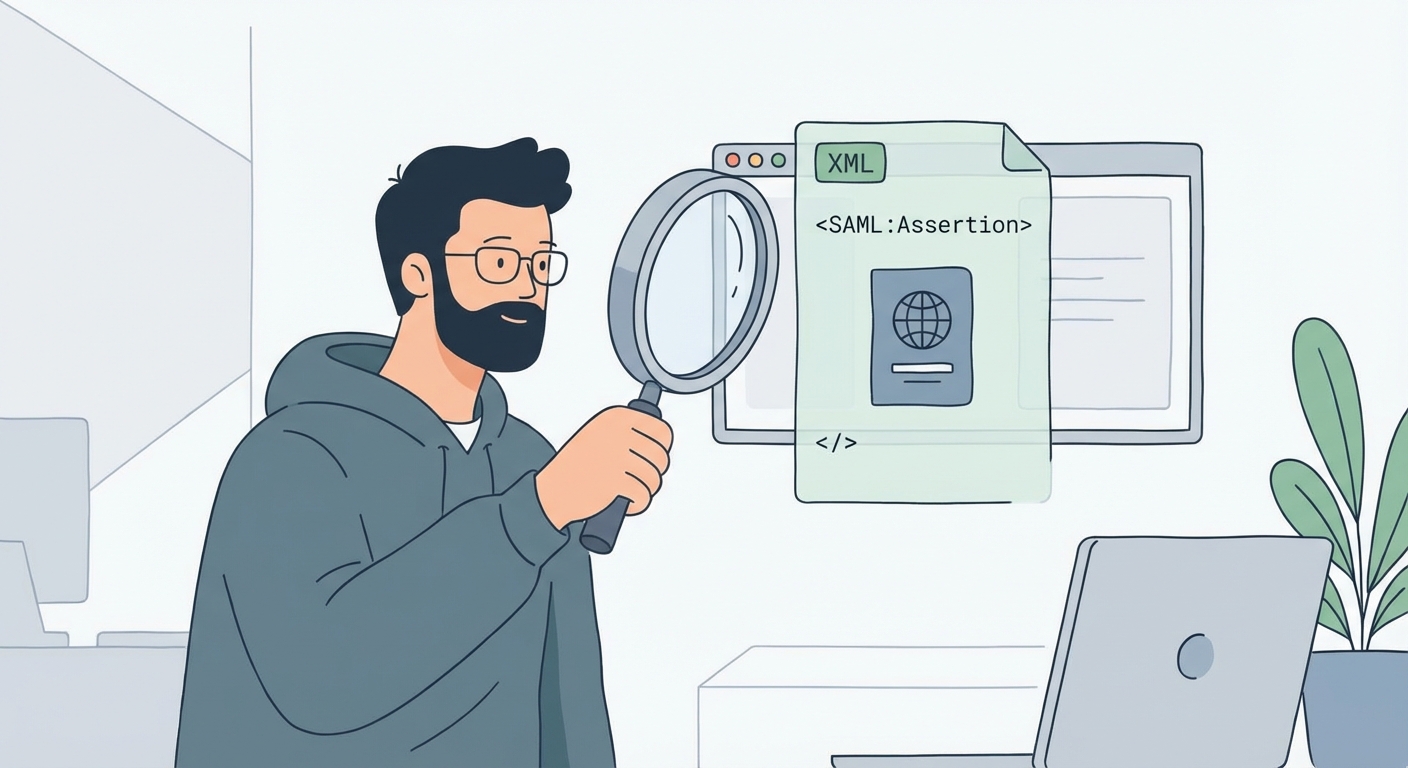
- XML Signature wrapping attacks are a common vulnerability. It's crucial to validate XML digital signature references to mitigate this threat. This involves ensuring that the signature correctly covers the intended parts of the XML document and hasn't been tampered with.
- Replay attacks are a known threat. Implement proper replay prevention measures. This typically involves using timestamps to ensure assertions are not too old and tracking assertion IDs to prevent the same assertion from being used multiple times within a defined time window.
- Strong crypto matters, so ensure the use of robust cryptographic algorithms.
- HTTPS is essential for all SAML communications.
Maintaining compliance with regulations such as GDPR and HIPAA is also key. SAML toolkits can contribute to compliance by facilitating secure assertion handling, providing robust audit logging of user access, and enabling role-based access control. Schedule regular security audits.
This concludes the section on security best practices. This overview provides a foundational understanding of SAML toolkits.